







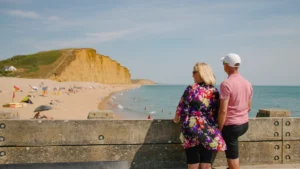












Fossil hunting in Dorset is an essential experience when enjoying a holiday on the UNESCO World Heritage Jurassic Coast and a great activity that the whole family can enjoy. The coastline here is of international geological importance and if you ‘dig a little deeper’, you can reveal 185 million years of the earth’s history! Our holiday parks are all in great locations along the Jurassic Coast, and are the perfect bases to explore everything that England’s only natural World Heritage Site has to offer. In this guide, we’ve put together some of our favourite locations for fossil hunting as well as some tips and tricks for finding them.
Fossil Hunting Locations in Dorset
Whilst there are fossils to be found along the entire stretch of coastline here, they are more plentiful in some places than others – here are three of our favourite spots – these are the areas where the cliffs are the most fossil-rich and erode the most quickly, providing a regular supply of new fossils ready to be found.




Lyme Regis
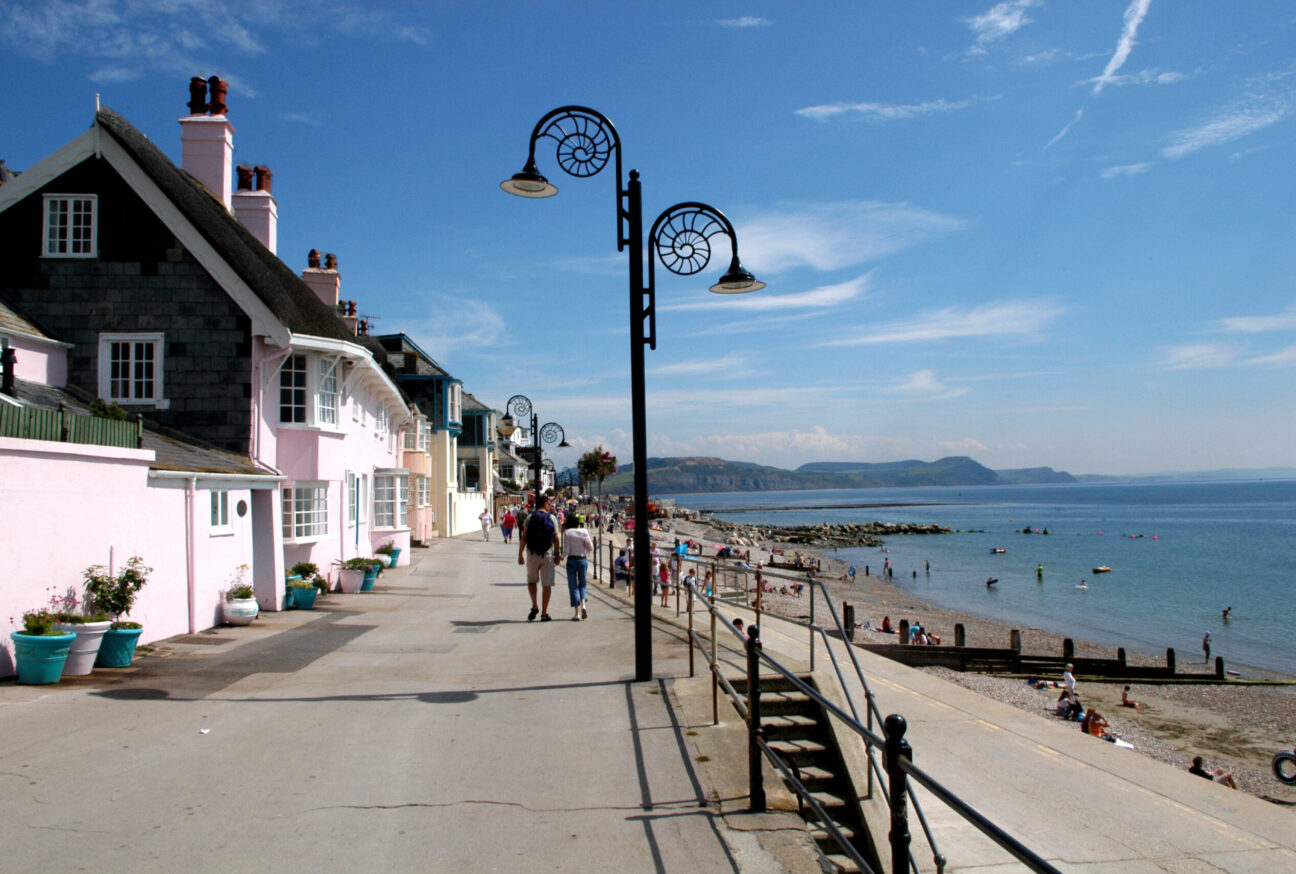
Known as ‘The Pearl of Dorset’, it’s easy to see why Lyme Regis is a popular town to visit. With a sheltered, sandy beach and cobbled streets full of independent shops, the small town has a lot of character. It’s known as being the birthplace of Mary Anning, a renowned paleontologist, who famously discovered the first Ichthyosaur skeleton and was the subject of the tongue twister “she sells sea shells on the sea shore.” There are multiple beaches in Lyme Regis you can visit, however if you’re searching for fossils, your best bets are Monmouth Beach or Church Cliff Beach.

Charmouth
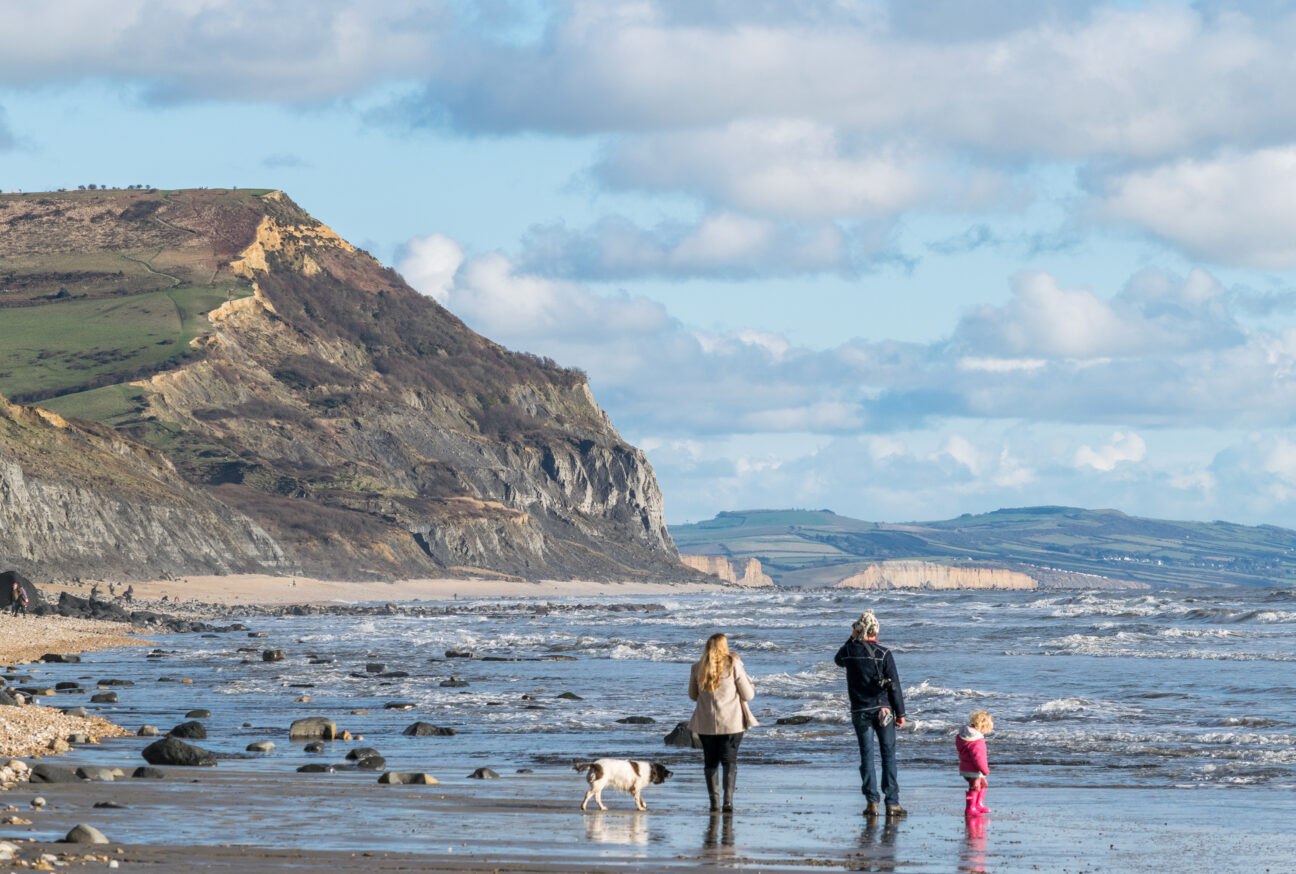
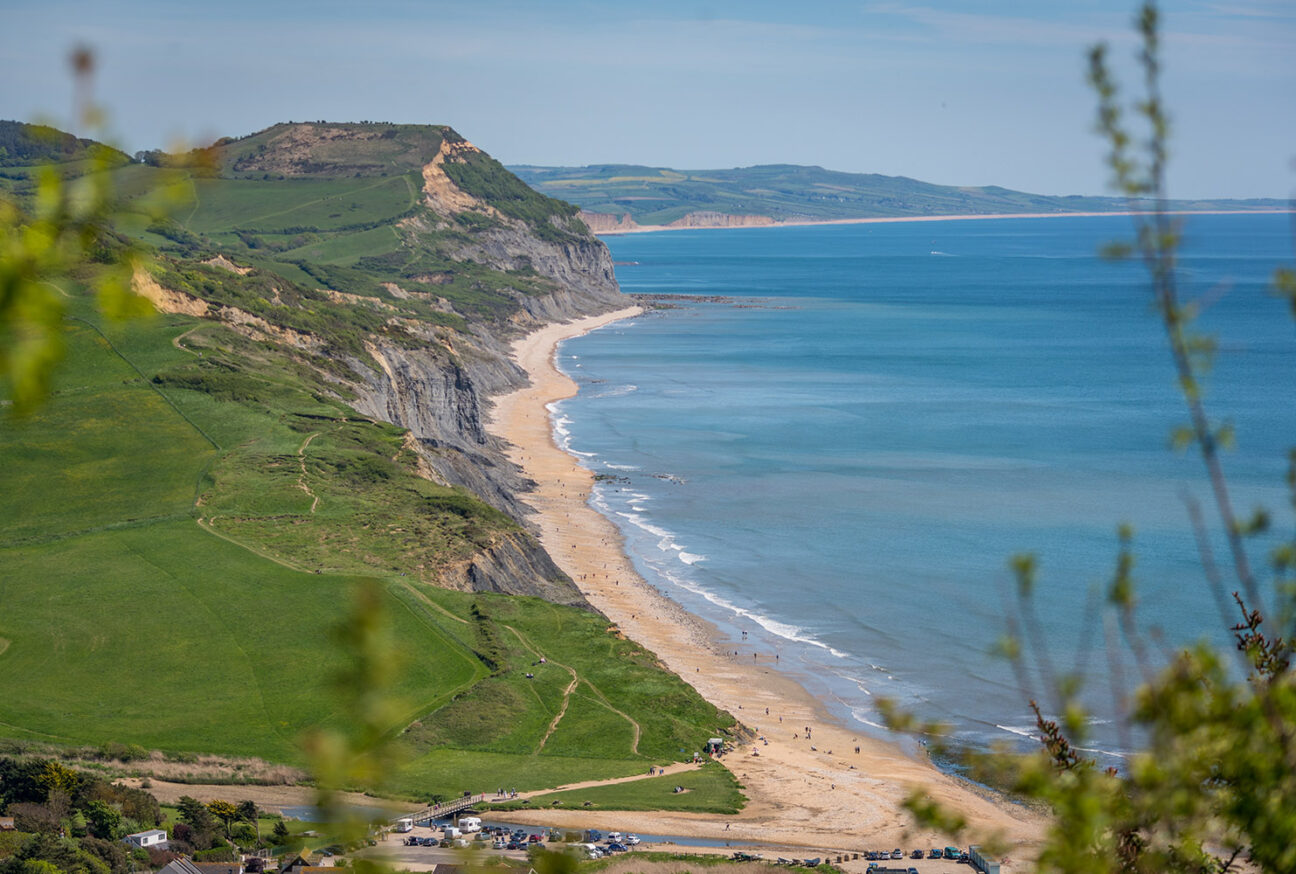
Just a few miles along the coast from Lyme Regis sits Charmouth, equally famed for its abundance of fossils. The beach is split in two by the River Char and there is plenty to be explored, though you must stay mindful of the tide here. Next to the beach is the Charmouth Heritage Coast Centre, a fantastic free museum where you can see a display of incredible fossilised finds and even begin a guided fossil hunting walk!

Kimmeridge Bay
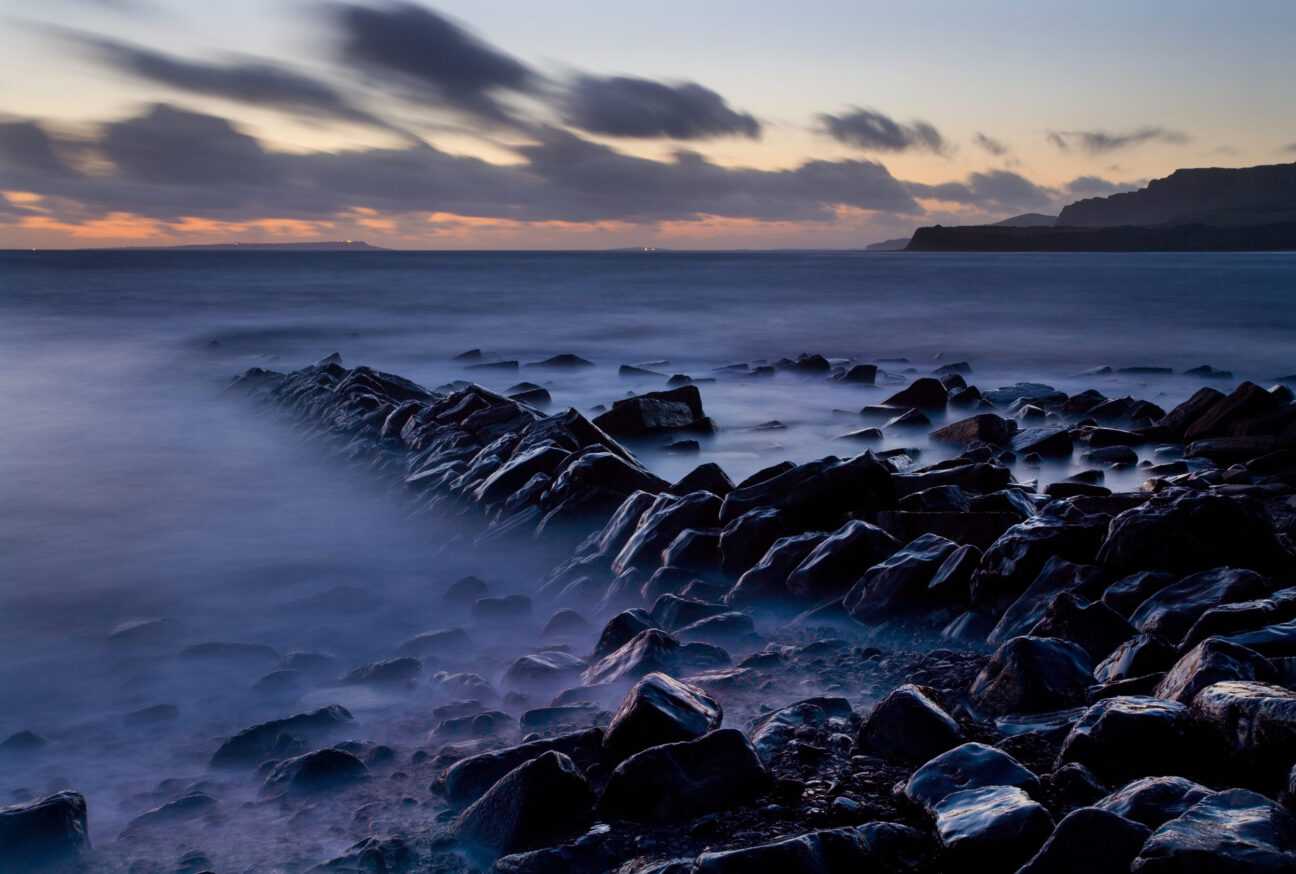
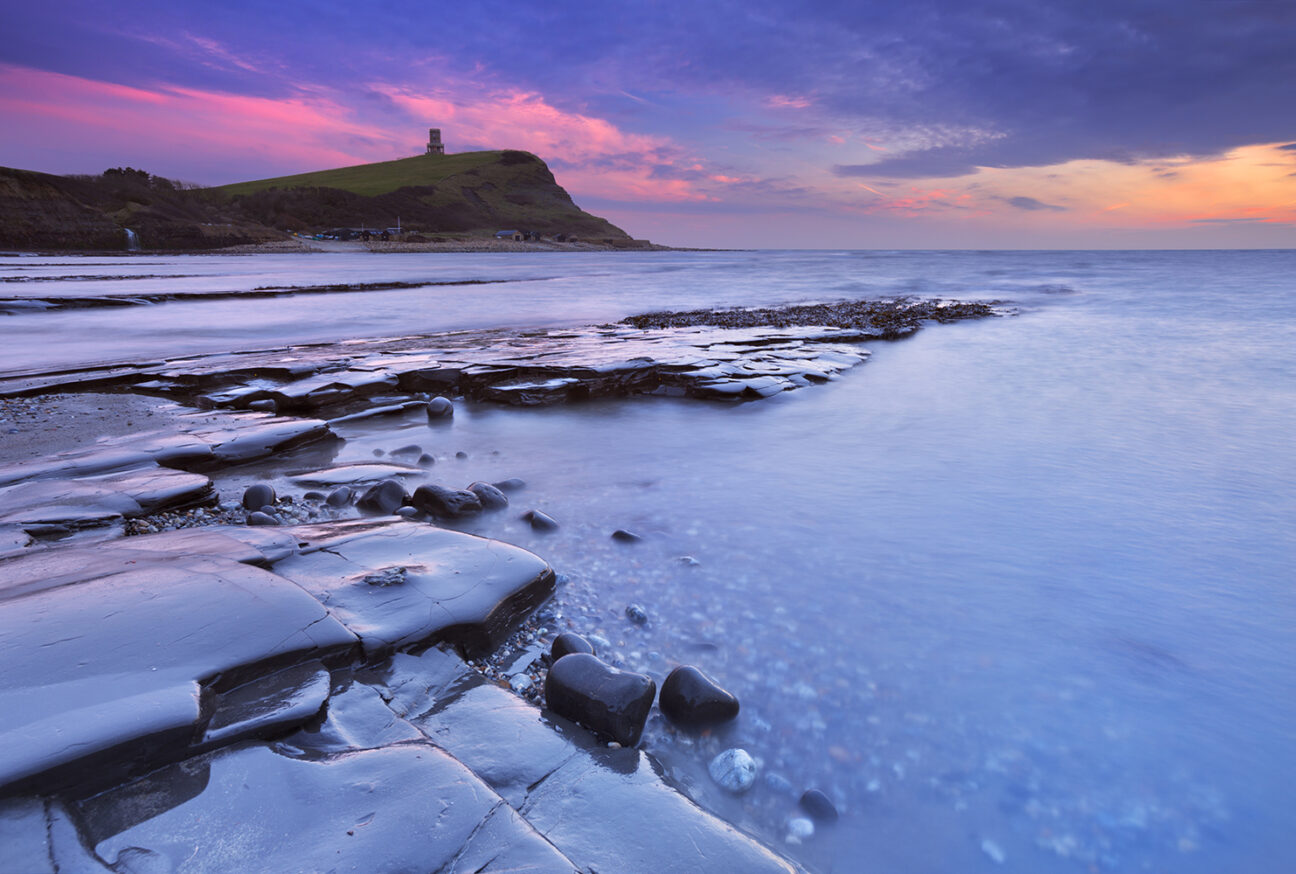
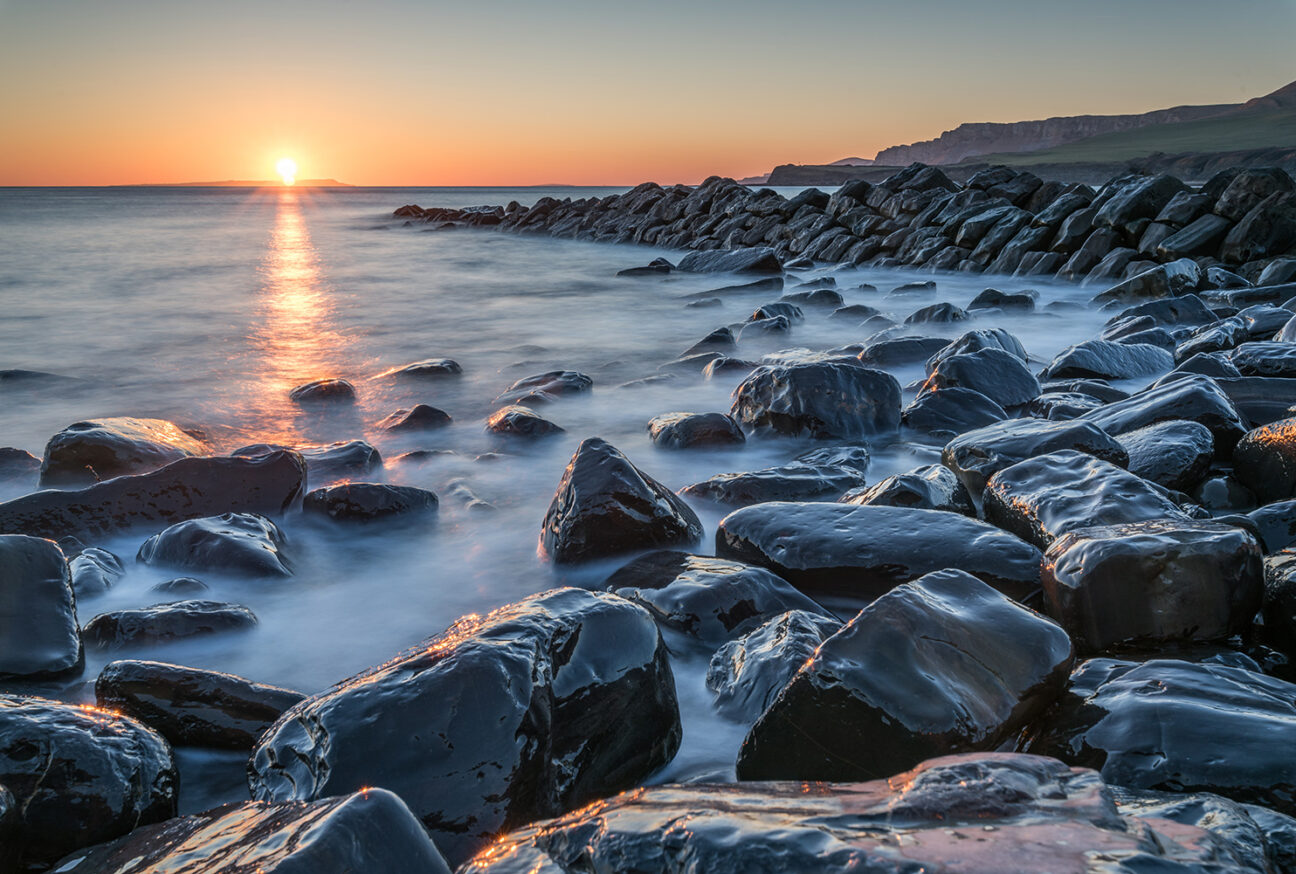
If you head further East and into the Purbeck area of Dorset, Kimmeridge Bay is another fantastic area to discover fossils. The sheltered, rocky bay is teeming with wildlife, so prepare to spend a while exploring rockpools or even trying snorkelling. The bay is made of rock, rather than being a sand or shingle beach, and there are fossilised ammonites and even ichthyosaur skeletons visible at low tide, however it is prohibited to try and extract these using a hammer and they must be observed and left for others to enjoy.
How to find fossils
Fossils are certainly plentiful in this area, but it still takes practice and patience to find them. While fossils can be found all year round, the best time for discoveries is in winter after storms, where waves have battered the coastline and dislodged or broken up rocks, revealing what’s inside. Find out more about our winter breaks – the perfect way to explore Dorset without the crowds.
Many people like to bring a small hammer to break up rocks on the beach, however unless you are a regular fossil hunter it can be tricky to know which rocks are likely to contain anything – it can take experts years to learn this skill! For beginners, the best tool is a sharp pair of eyes as there is plenty to be found just lying on the beach, particularly if the tide has recently gone out. The best tip is simply to be thorough and patient – the longer you spend searching, the more likely you are to find something. It’s a good idea to take sealable bags or small tupperware pots with you – there’s nothing more frustrating than finding a beautiful fossil and getting home to discover it has fallen out of your pocket!
Guided Fossil Walks
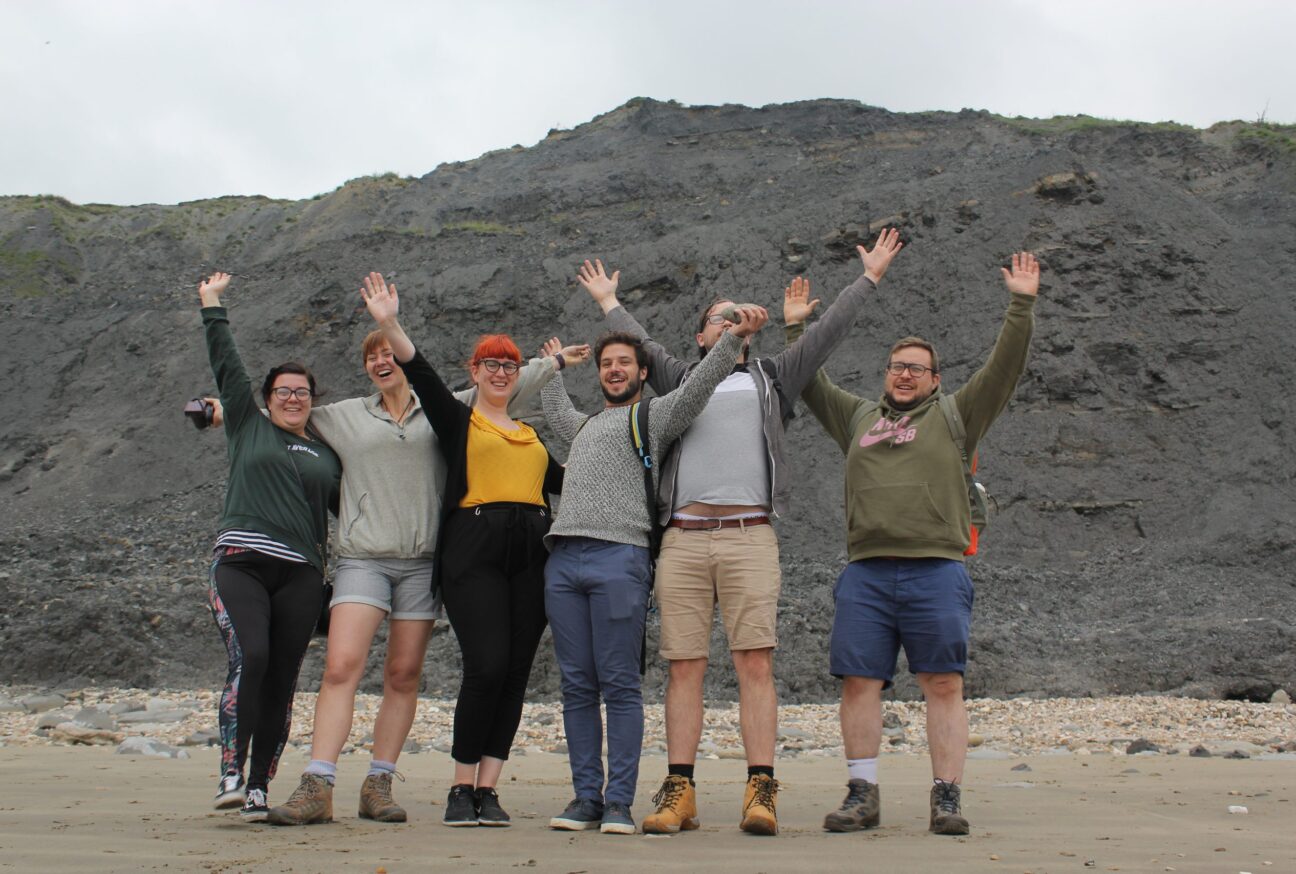
If you want to look for fossils but aren’t sure where to start, or want to learn more about the fossils as you search for them, why not book a guided walk with the Jurassic Coast Guides. Organised fossil walks are one of the best and safest way to find fossils and they are very informative and educational. Fossil walks are run by a number of places including Charmouth Heritage Coast Centre, Lyme Regis Museum and The Etches Collection at Kimmeridge. The guides on these tours all have extensive passion, knowledge and experience. Book now and learn about the history and fossils of this world-famous coastline.
Places to Visit
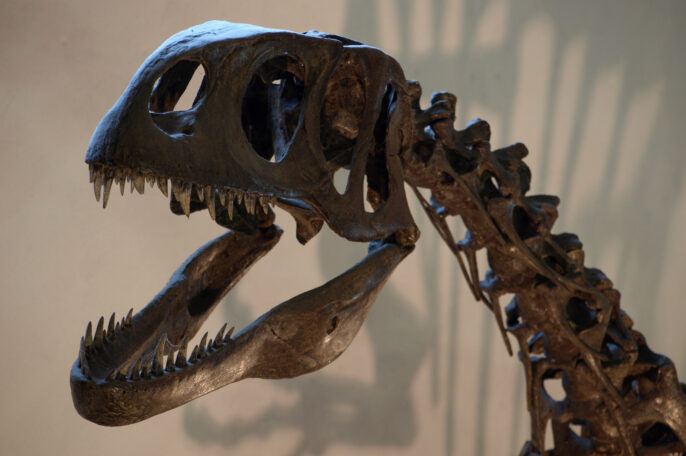
Dinosaurland Fossil Museum
A traditional museum with more than 13,000 specimens on permanent display.

The Etches Collection
A unique and modern museum with an amazing collection of Late Jurassic fossils from Kimmeridge Bay
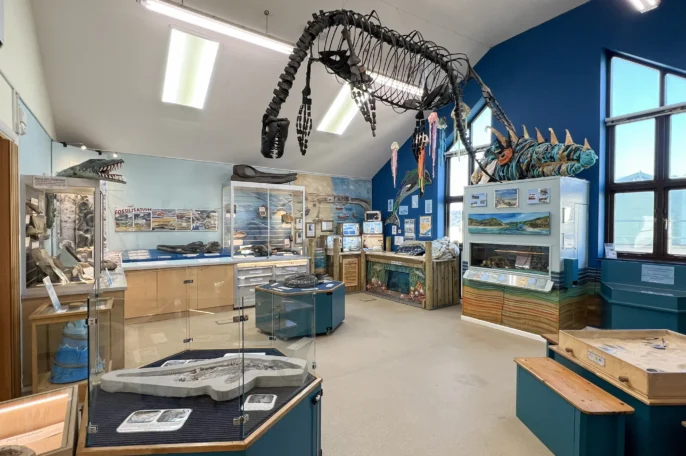
Charmouth Heritage Coast Centre
Learn about fossil hunting and the Jurassic Coast at the Charmouth Heritage Coast Centre.

Lyme Regis Marine Aquarium
You can hold a starfish or touch lobsters and crabs at this Jurassic Coast marine aquarium.
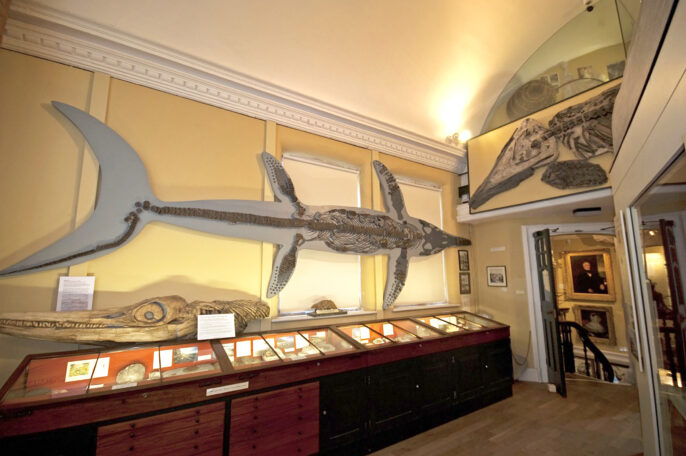
Lyme Regis Museum
This Jurassic Coast fossil museum was built on the site of Mary Anning’s home in Lyme Regis

Jurassic Coast Guides
Fossil hunting in Dorset and guided walks with the Dorset International Visitor Experience of the Year

West Bay Discovery Centre
A treasure trove of West Bay stories, activities and information at West Bay Discovery Centre
Types of fossils found in Dorset
The most common fossils found here are Ammonites and Belemnites, which are both extinct types of molluscs, similar to current day mussels, snails, clams and octopus. However, many other types of fossil have been found along these shores, including large dinosaur skeletons!


Ammonites
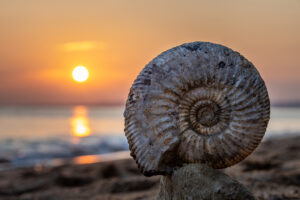
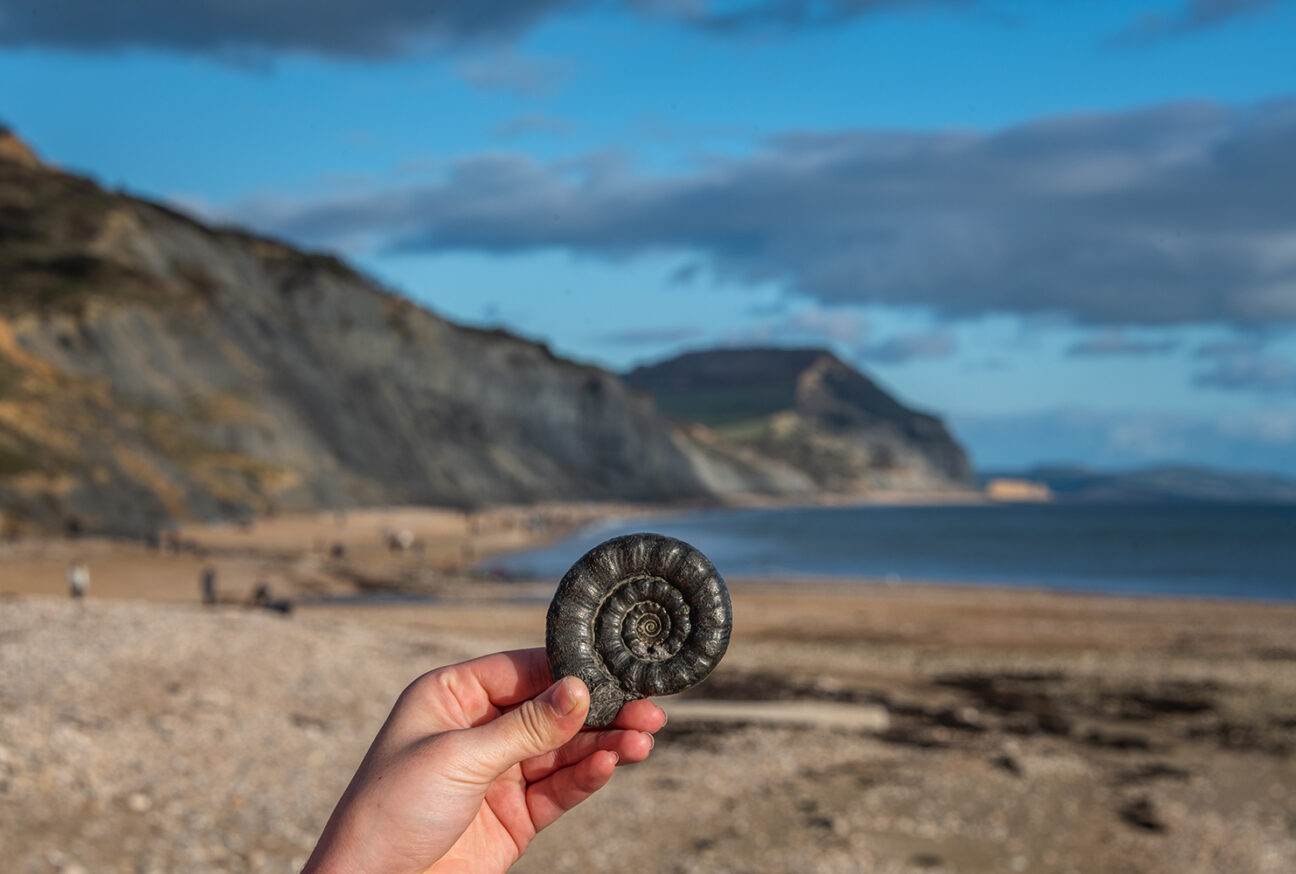
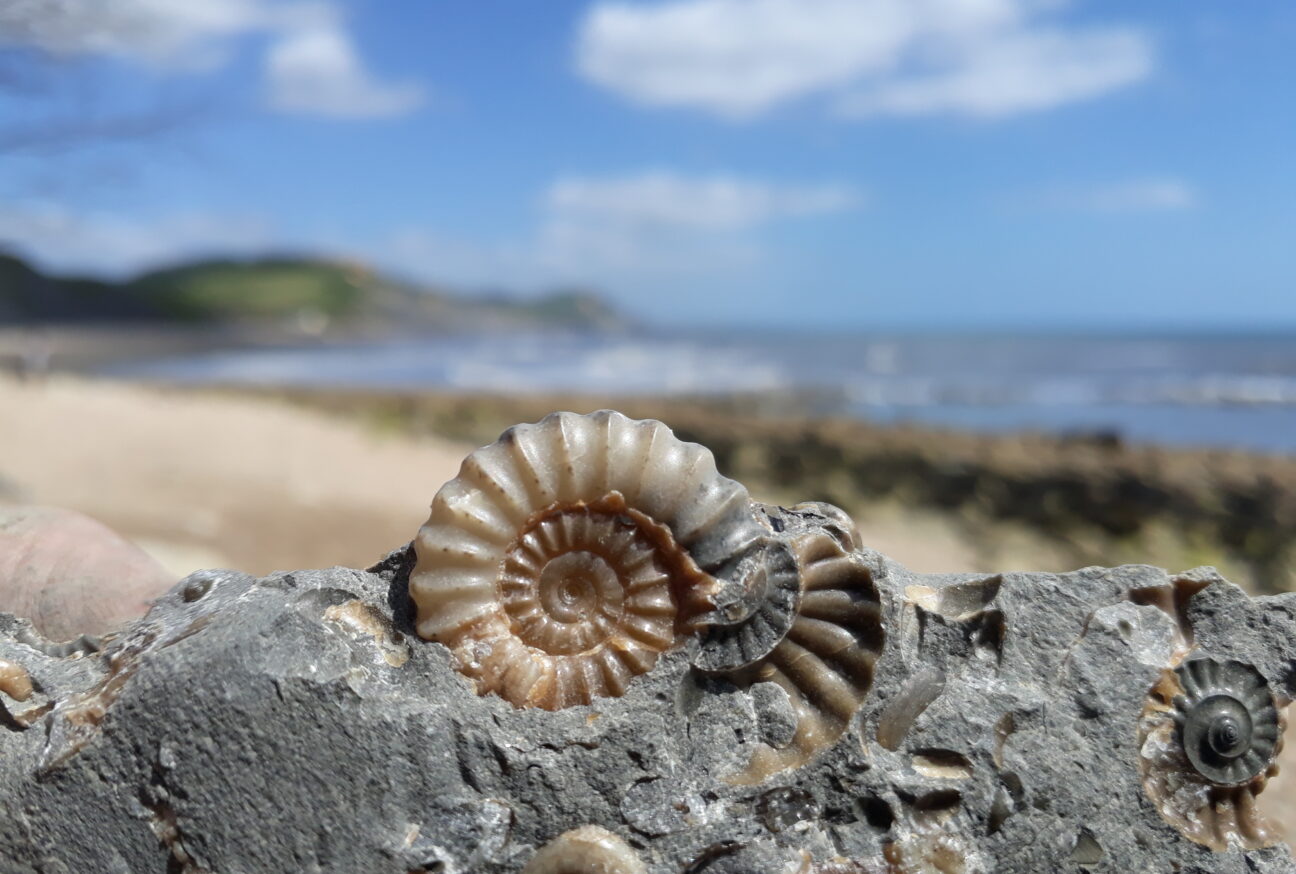
These are one of the most commonly-found fossils and are where the classic spiral shape that everybody associates with fossils comes from. Only the shells are preserved as fossils, with the squid-like creatures that lived inside them rarely being preserved. Fossils can range in size from a few millimetres to over a metre in diameter, depending on the species. They evolved quickly, so geologists have been able to accurately date rock beds depending on the species of ammonites found there.
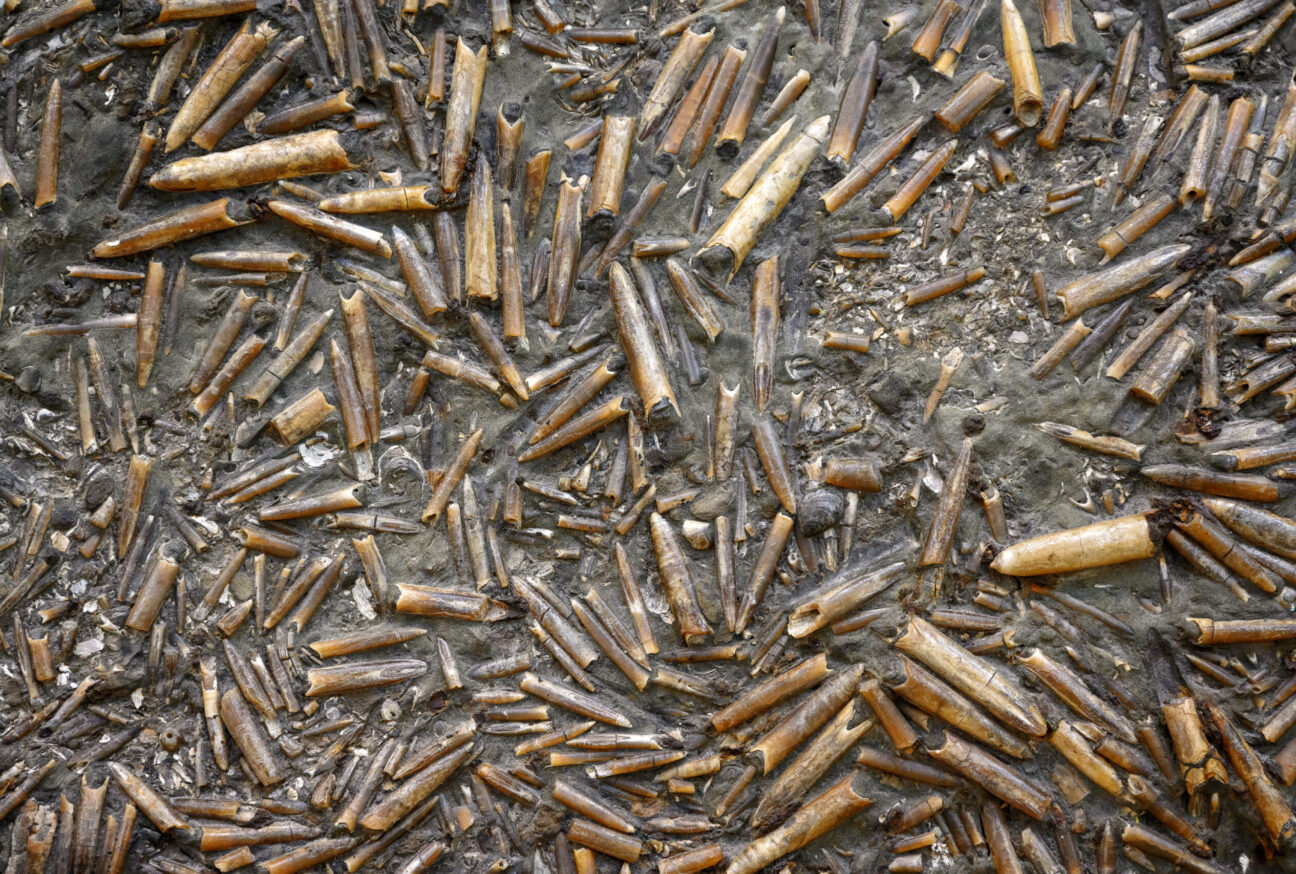
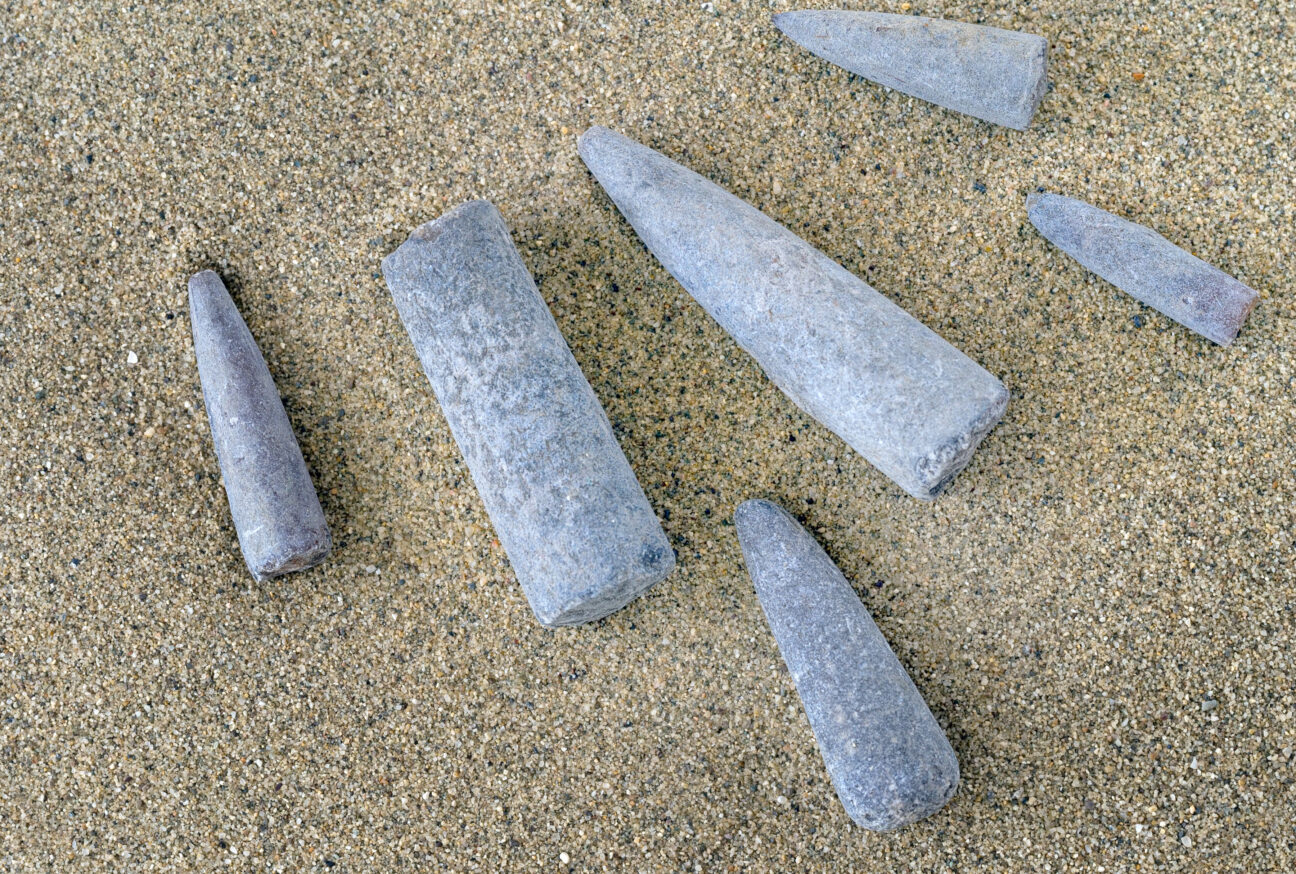
Belemnites
These bullet-shapes fossils might be less obvious to spot, but are incredibly plentiful along the West Dorset Coast. Like ammonites, it is usually only the shell that is preserved, however occasionally the whole organism, which closely resembles the modern squid, has been found preserved, with tentacles and even ink sacks intact.

Ichthyosaur
The vertebrae (back bones) of this marine dinosaur are commonly found in this part of the world. They look like small discs with dimples in either side and can be found loose individually or if you’re really lucky you may find a complete section of skeleton!

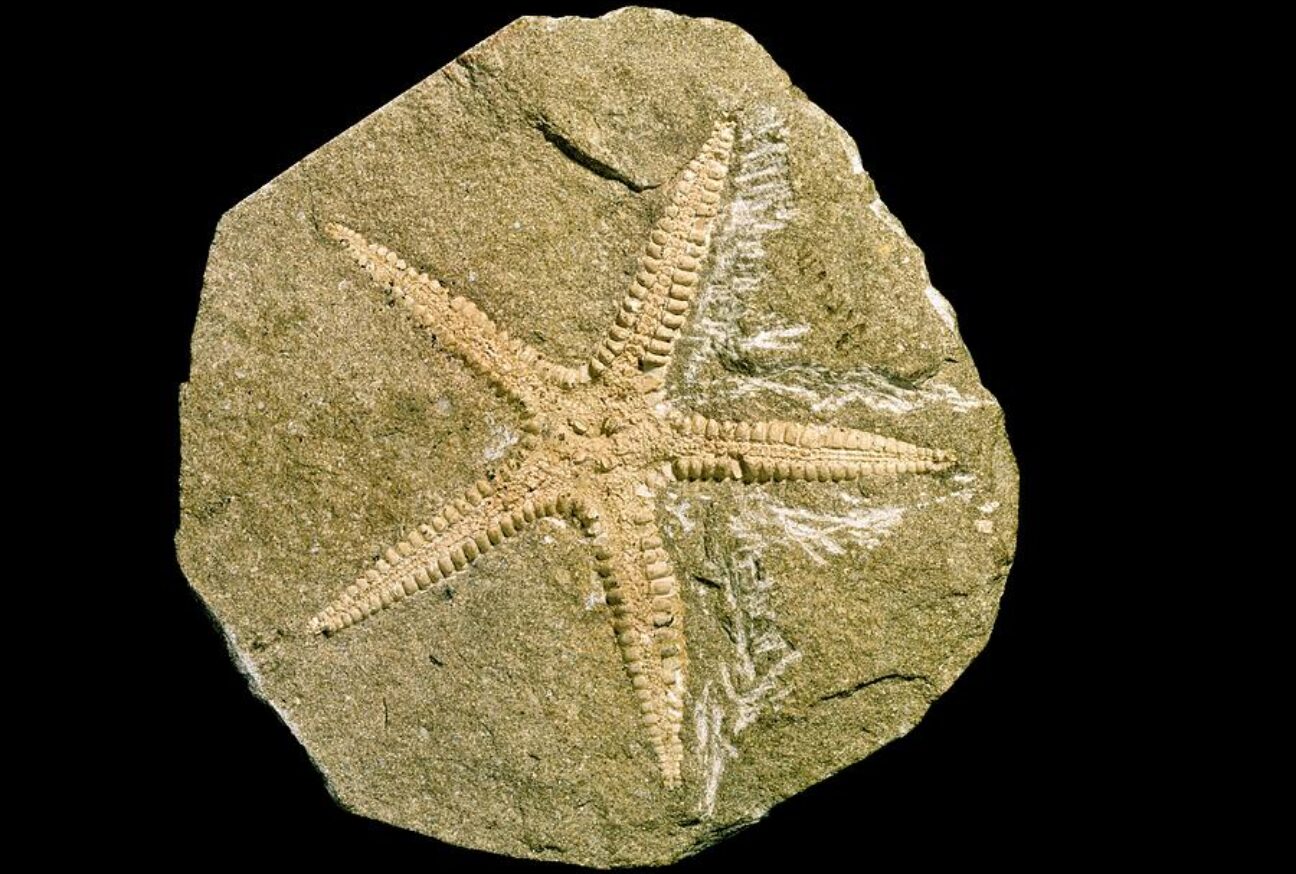
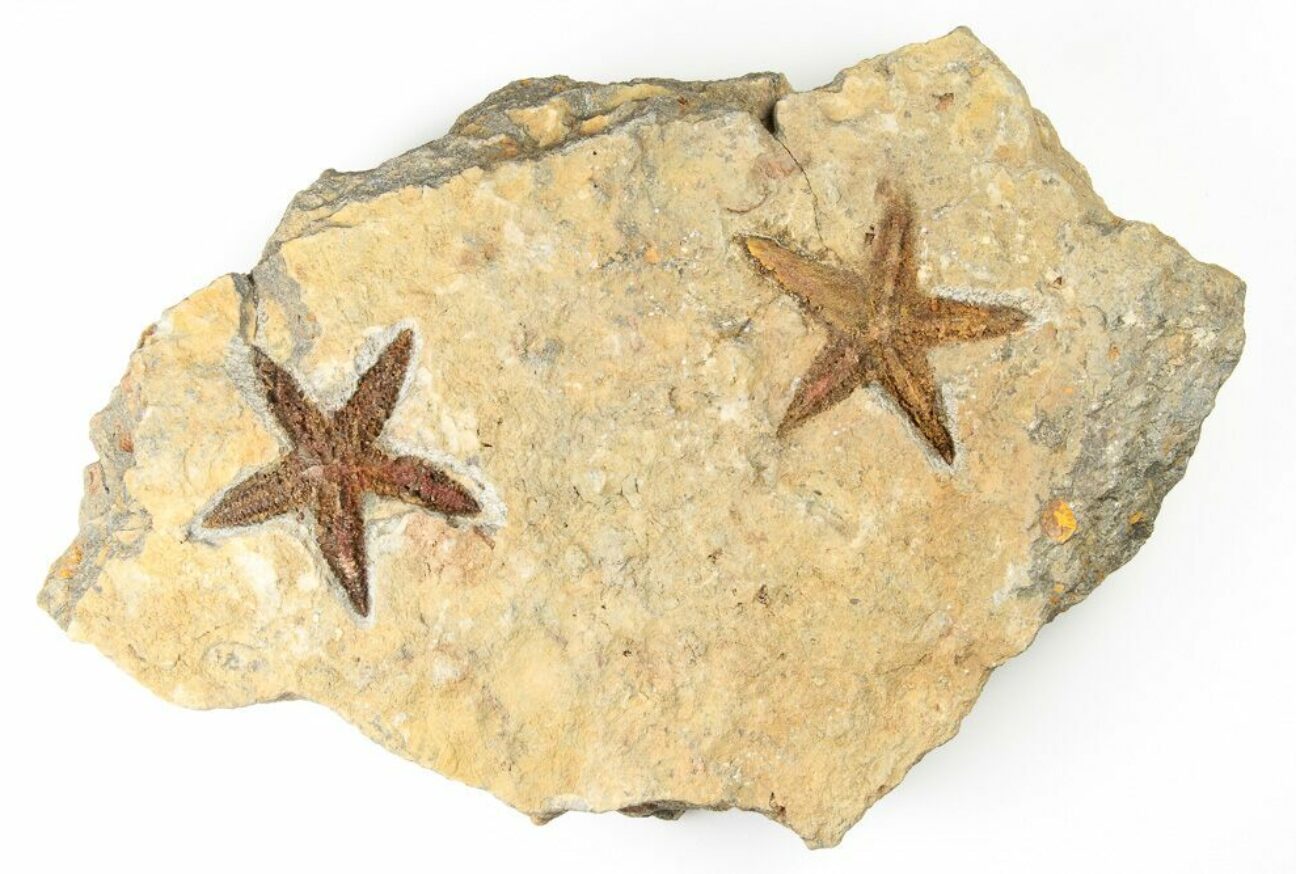
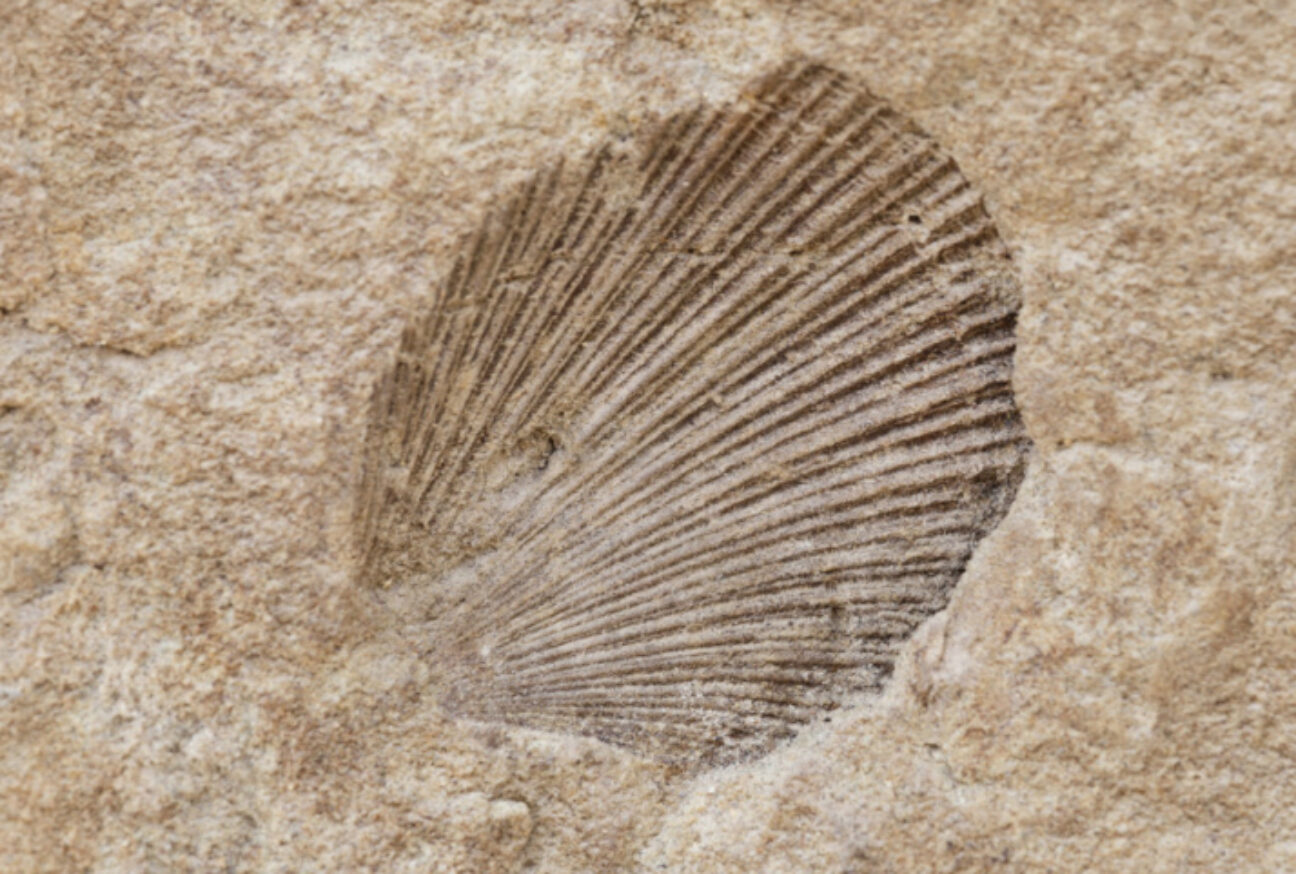
Sea Urchins, Starfish and Shells
You may find fossils that look similar to creatures that still exist today. Starfish, sea urchins and creatures that live in bivalve shells (such as oysters) have not evolved as drastically and fossils can look very similar to modern species.
And more – larger fossilised skeletons of insects, fish and whole dinosaurs have all been found along the Jurassic Coast – will you be lucky?
Safety Information
It’s easy to get stuck in when searching for fossils and lose track of time, however on certain beaches it can be easy to be cut off by the incoming tide – we recommend always checking tide times before visiting beaches and keeping an eye on the weather conditions. Make sure to dress appropriately – wear sturdy footwear and wrap up in the winter as you won’t be walking around very much to keep warm.
If you are using a small hammer to break up rocks, it’s a good idea to wear safety goggles to protect your eyes from any fragments that come loose.
Be mindful that cliff falls do occur on this stretch of the coast, and whilst a recent fall might be tempting to explore, there is always the risk of further instability and falling material. It is safest to walk underneath cliffs at low tide, when you can stay further away from the base of the cliffs.
Due to how unstable the cliffs are, digging in and climbing on the cliffs themselves is not a safe way to find fossils, and plenty can be found in the loose material on the beach.

Be sure to follow the Fossil Collector’s Code of Conduct:
- Collecting from beach material is acceptable practice
- Digging in the cliffs is not an acceptable practice
- Do not over collect – leave some for others to find
If you find a rare or special fossil, please register it at the Charmouth Heritage Coast Centre. All that is involved is taking a photographic record, brief information and the finder’s details. The fossil is still yours to take home but it helps to record valuable information about the fossil finds from the coast.
West Dorset Leisure Holidays
West Dorset Leisure Holidays are a family run group of 5 holiday parks on or near the Jurassic Coast in Dorset. The parks offer excellent accommodation and facilities and each of them is unique. Accommodation includes lodges, caravans, glamping and pitches for touring & camping.
Facilities include Martin’s Bar & Restaurant, Highlands End Leisure Club, the Little Fire Station Soft Play and park nature trails. The parks are family friendly, dog friendly and are situated in beautiful coastal and countryside locations with a great range of places to visit and things to do nearby. We have caravan and lodge holiday homes for sale across all 5 parks. Find out more here, or check availability and make a booking.